5 Weird Surfer Habits Explained

Joe Walsh • June 26, 2018

We’re a weird bunch. Surfers have strange, kooky habits that often don’t make sense from afar. Luckily for you, we’re here to break down the five weirdest surfer habits. So sit back, relax and uncover why your surfer friends do the strange things they do.
1. Waxing the tops of our feet

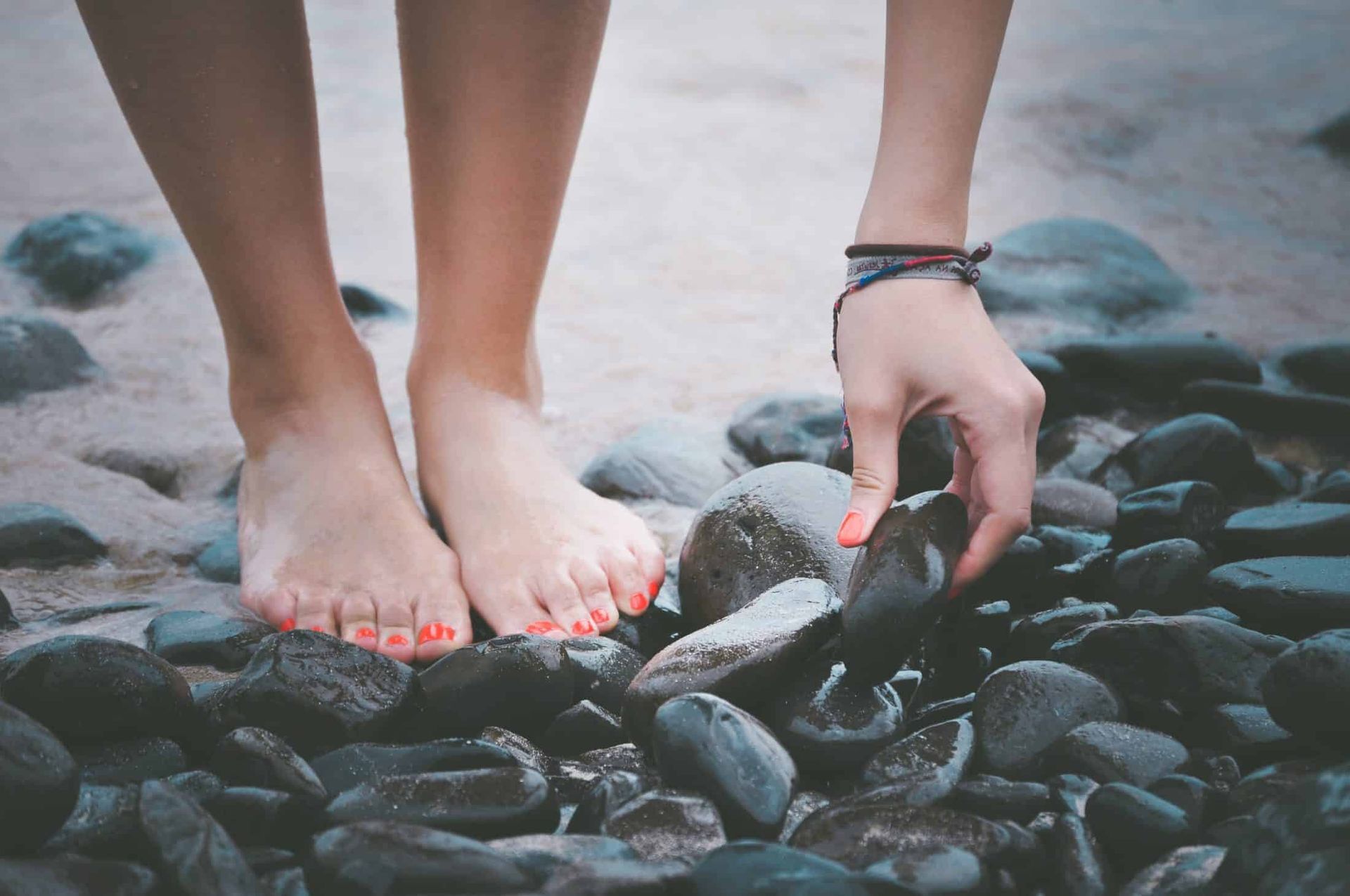
If you’ve surfed any breaks with particularly rocky or pebbled entrances, you may have noticed something a bit odd about the regular surfers there. Surfers who have to do a bit of stone walking to get out into the lineup tend to wax the top of their feet in addition to the top of their boards. At first glance, this is incredibly odd, but there is some sound reasoning behind it. Walking on rocky underwater terrain is often difficult and requires a bit of balance, skill, and luck to stay upright. Algae make underwater rocky terrain exceptionally slick and hard to walk on, so why don’t surfers wax the bottoms of their feet not the tops? Surfers are waxing the tops of their feet, so they can store some extra traction for when they finally make it out to the lineup. Once out in the lineup, the surfers will rub the bottom of one foot onto the top of the other, transferring the wax and getting rid of any unwanted slickness and adding some extra traction for that first pop up.
2. Falling into surf speak

Whether you are a professional surfer or an accountant who happens to surf, if you’re talking surf with someone who is in the know, you will undoubtedly drop all formalities and fall into surf-speak. Now, what exactly does that mean? It means your exchange with your new surfing buddy will be full of words like, “stoke,” “gnarly,” “pitted,” and so much more. The only explanation for this is that basic English, or Spanish for that matter, cannot accurately describe the intricacies of wave riding.

3. Throwing Shakas

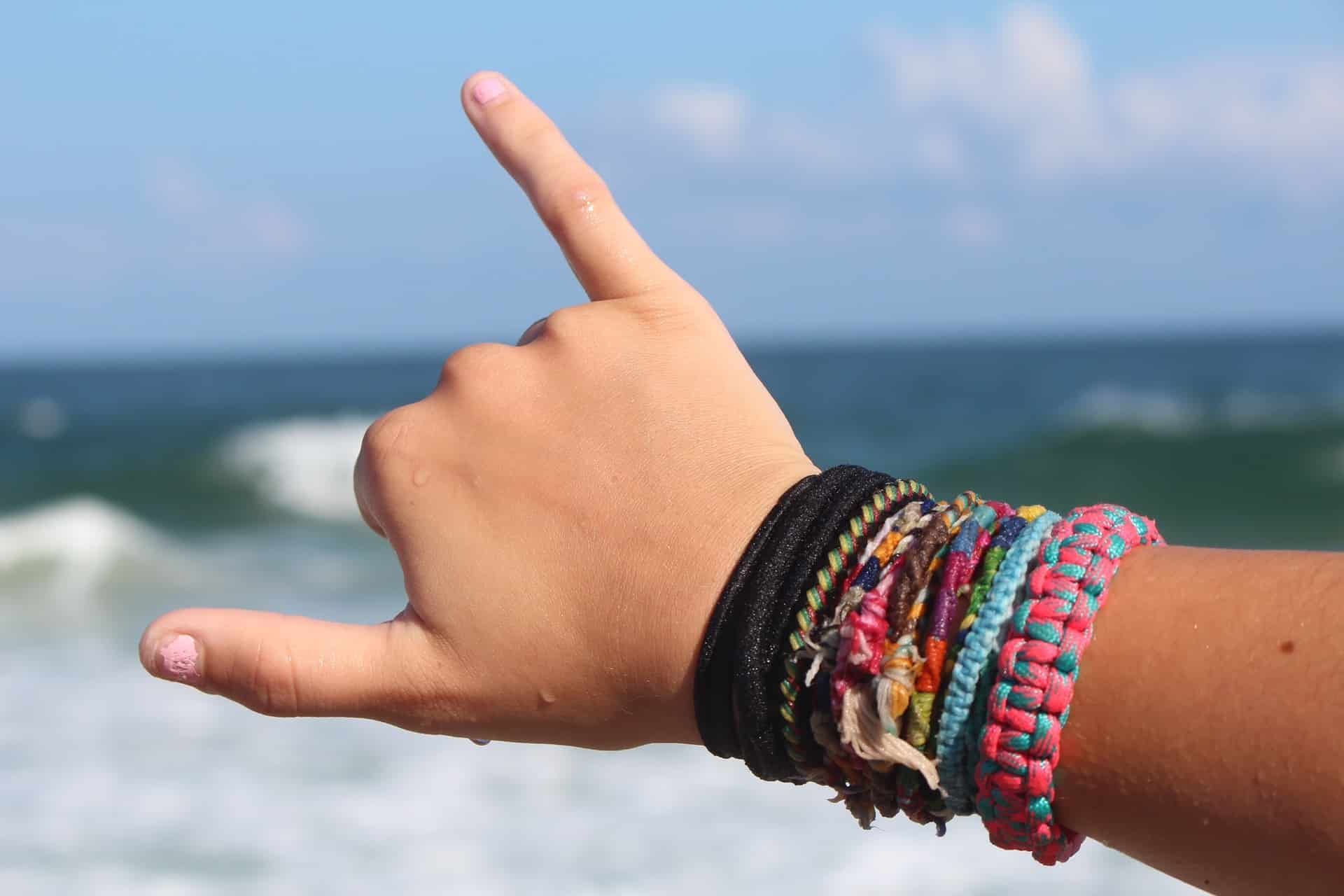
Shakas are the universal language of surf culture. You see someone you know out in the lineup, throw them a shaka. You see a stranger score a nice barrel from the channel, throw them a shaka. You’re taking a picture with buds, throw a shaka. Shakas originated in Hawaii but have since become ingrained in surf culture as a passing hello and sign of mutual respect.
4. Being particular about sunscreen

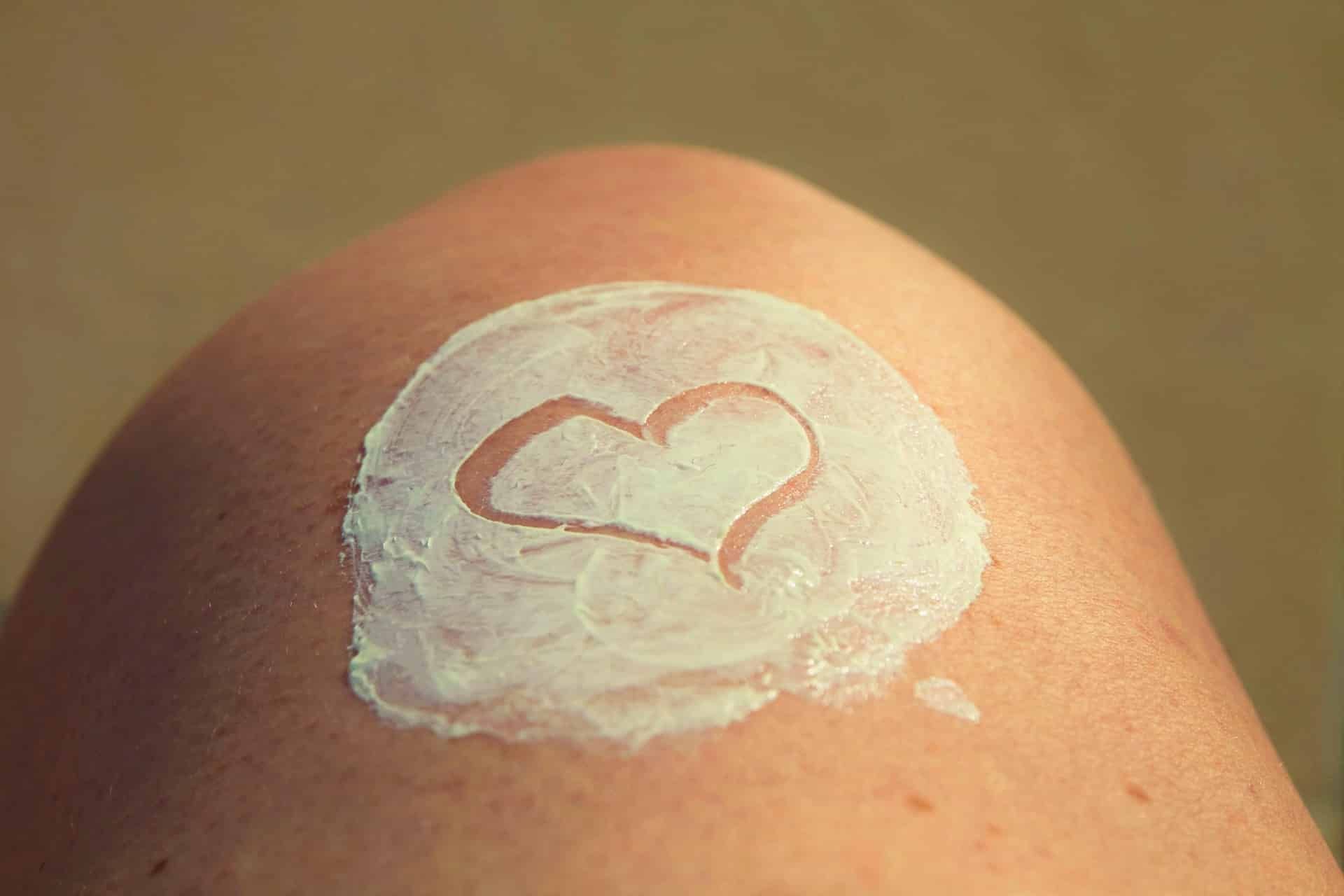
Sunscreen matters. There’s no denying that, but surfers, in particular, will shy away from certain types of sunscreen in favor of others. And it has nothing to do with skin protection. Most sunscreens have certain chemical compounds that wash off the body in the water and can kill coral reefs upon contact. Chemicals like Oxybenzone are found in most name brand sunscreen products and are incredibly harmful to coral reef life forms. Surfers spend every possible waking moment in the ocean, so naturally, they want to preserve it. Surfers often opt to purchase and use reef friendly sunscreen.
5. Our love-hate relationship with each other

If you’re at a party where you don’t know anyone , and you find out someone else surfs, you have an instant conversation topic and mutual respect for each other. If there’s one thing surfers love to do outside the water, its talk about surfing. But, if you see that same guy or girl and their ten or so friends at your local break when you are surfing alone, you might not be too happy. Surfers love and respect each other, but simultaneously love isolation.
By Niki Hurren August 5, 2026
Best App for Surfers
By Witch Rocks Surf Camp August 5, 2026
Yes — Tamarindo is considered one of the safest beach towns in Costa Rica for tourists. Most incidents involve petty theft, while violent crime affecting visitors is rare. With basic precautions, it’s a very safe destination for surfers, families, and solo travelers. Costa Rica has long been known as one of the most stable, welcoming countries in Latin America. Yet online discussions, headlines, and occasional embassy alerts often raise the same question for travelers: Is Costa Rica safe — and is Tamarindo safe to visit? This guide separates facts from perception , explains why safety concerns are often misunderstood , and looks specifically at Tamarindo through the lens that actually matters: the real experience of travelers on the ground . At Witch’s Rock Surf Camp, we’ve hosted thousands of travelers, families, and solo surfers in Tamarindo since 2001 — giving us a real, on-the-ground perspective of what safety actually looks like here. Understanding Safety the Right Way: Tourist Reality vs Headlines When people search “Is Costa Rica safe?”, they are often shown national crime statistics without context. This creates confusion. Here’s the key point: 👉 Tourist safety is not measured by national crime averages — it’s measured by what happens in tourist areas. National crime data includes: Drug-trafficking activity Gang-related violence Urban neighborhoods far from tourism Domestic and local disputes unrelated to visitors These factors do not reflect the reality of beach towns, surf destinations, or established tourist communities like Tamarindo. The same logic applies everywhere: Crime in parts of Los Angeles does not define safety in Malibu Crime in New York City does not define safety in the Hamptons Crime in Mexico City does not define safety in Cozumel Tamarindo must be evaluated as a tourist destination — not as a national statistic. Is Tamarindo Safe Compared to Other Popular Destinations? When Tamarindo is compared properly — city to city, destination to destination — the picture becomes clear.
By Witch Rocks Surf Camp August 5, 2026
If you’re searching for the best surf spots on the Pacific side of Costa Rica, then you’re in the right place. Picture this – warm sun, crystal-clear water, and world-class waves calling out to surfers from near and far. Costa Rica consistently ranks as one of the best surf destinations in the world.
surf
By Witch Rocks Surf Camp August 5, 2026
If you are dreaming about a surf trip to Costa Rica you are probably asking yourself one big question. When is the best time to surf. The real answer is that Costa Rica has surf all year.
Witch’s Rock
By Joe Walsh August 5, 2026
Witch’s Rock, the wave from which we derive our namesake, popularized by The Endless Summer II most definitely lives up to the hype. If you’ve seen the movie, you know what this wave can do during a swell. Simply put, it’s a leg burning barrel. Witch’s Rock handles swell very well, it gets big, and it gets hollow. What
By Witch's Rock - Costa Rica Surf Camp May 25, 2026
Most kids can start learning to surf between ages 4 and 7, depending on their comfort in the water, balance, confidence, and excitement about trying something new. At Witch’s Rock Surf Camp in Tamarindo, Costa Rica, we’ve taught surfing to children as young as 5 years old using beginner-friendly waves, personalized instruction, and a safe […] The post At What Age Can Kids Start Surfing? appeared first on Witch's Rock Surf Camp.

By Witch's Rock - Costa Rica Surf Camp March 23, 2026
Trying to choose between Costa Rica and El Salvador for your surf trip? Both offer world-class waves, but the experience is very different depending on your level and travel style. Costa Rica: More versatile, beginner-friendly, and easier to travel El Salvador: High-performance waves, best for experienced surfers When it comes to surf, scenery, and adventure, […]
By Witch's Rock - Costa Rica Surf Camp March 19, 2026
Planning your first trip to Costa Rica? You’re in for an unforgettable experience filled with warm water, incredible waves, and a laid-back lifestyle known as “Pura Vida.” To help you make the most of your trip, here are essential travel tips every first-time visitor should know. 1. Understand the “Pura Vida” Lifestyle Costa Rica moves […]
By Witch's Rock - Costa Rica Surf Camp March 19, 2026
If you’ve ever traveled to Costa Rica — or even researched it — you’ve probably heard the phrase “Pura Vida.” But what does it actually mean? More than just a saying, “Pura Vida” is the heartbeat of Costa Rican culture. It reflects a way of life centered around positivity, simplicity, and appreciation. The Literal Meaning […]