



Maximize Your Surfing Wave Count With These Great Positioning Techniques

Ryan Waldron • February 7, 2019
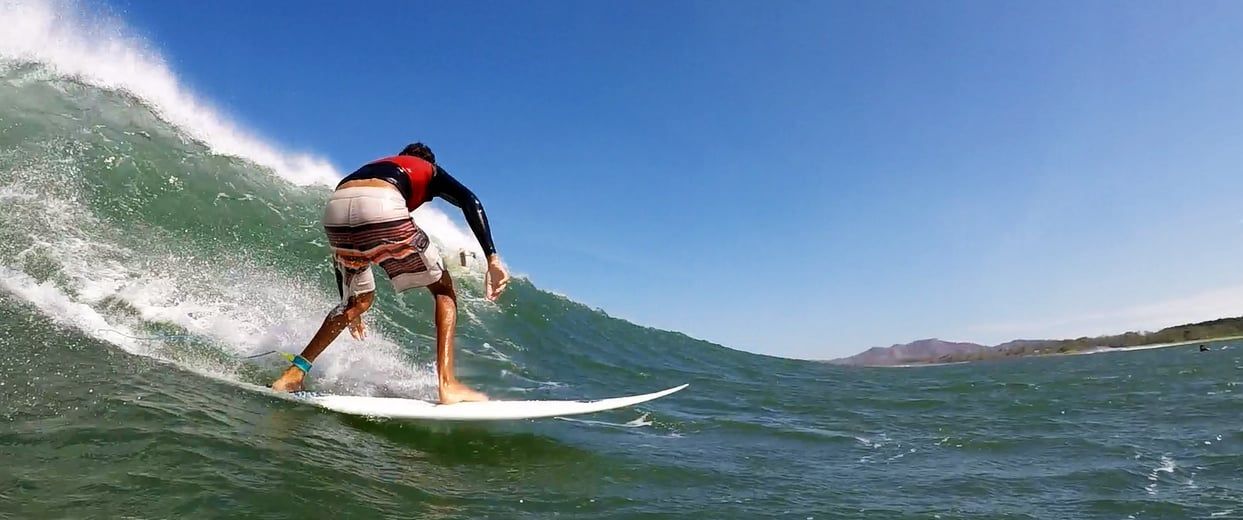
All surfers aspire to catch more waves. Plain and simple…Why else would we spend hours bobbing around in the ocean, burning our skin, squinting our eyes, and putting ourselves at the raw risks of mother nature?

Surfing is an interesting sport. In a 2-hour session, you may only get 5 minutes of actual ride time. That’s not much practice when you compare surfing to other board sports like skateboarding or snowboarding. For this reason, maximizing wave count is crucially important if you want to make steady improvement to your surfing

As you progress, you will naturally learn the best strategies to navigate your way through the line-up and pick off maximum waves in your session. Many new surfers think catching waves is like playing Black Jack where the player is at the mercy of the cards. But just like an experienced Black Jack player, an experienced surfer knows a handful of useful techniques to give themselves a competitive advantage. It may be a metaphorical stretch, but an expert surfer is just as advantageous catching waves as an expert card counter.

If you’d like to upper hand next time you paddle out, consider the following positioning techniques.

Make a mental map of the bottom

Are you surfing a point break? A beach break? A reef break?! Where ever you’re surfing, you should always be conscious of what’s happening on the bottom. Watch as many passing waves as you can and try to imagine the underwater bathymetry and contours. Remember, waves bend and break towards shallow water. Line yourself up with the edge of the sandbar, don’t sit too far on the shoulder at a point break, look for any boils or ledges at a reefbreak. The best way to make this underwater map in your head is to simply observe as many passing waves as possible.

Bottom feeding is OK

If the waves are few and far between, don’t sit too far out endlessly waiting for the set of the day. Sometimes the “bottom feeding” strategy pays the highest dividends. Even if the waves are consistent medium – large, sitting a little further inside than everyone else can result in exciting double ups and last minute shoulder hopping as others wipe out. A few quick notes on this strategy: #1 You will get plenty of set waves on the head so be prepared to duck dive and #2 If you choose to bottom feed, do not expect to catch the set waves that the other surfers have been waiting for.

Think about the crowd

Is surfing the main peak with the agro locals always necessary? Many of the surf spots in Costa Rica are wide open beach breaks with multiple peaks so sitting within a main pack of 20+ wave-hungry surfers is not the smartest way to maximize your wave count. Sure, maybe the main peak has slightly better waves than down the beach, but if you’re in the game to catch maximum waves and improve your surfing, think twice before paddling out at the main wave. Plus, many times the “bomb sets” will over wash the main break and you’ll inevitably be sitting in the perfect position.

Triangulate position constantly

Before getting into the water, find a landmark on the beach that you can see from the water. It can be a bush, a sand dune, an umbrella, etc. One of the biggest mistakes made by new surfers is not knowing where they’re sitting in the line up. Look towards the beach just as much as you look towards the horizon. Triangulating your position is heavily related to mentally mapping the bottom of the surf zone. If there is a secret sandbar double-up in front of the red umbrella, keep circling back to that same take-off zone as long as the waves keep coming. Quick note, if there are multiple people sitting in front of the red umbrella, you need to take turns.

If you’re still not catching anything, change strategies

My general rule is 15 minutes. If you haven’t caught anything in about 15 minutes, it’s time to change strategies. Maybe you should scoot towards the beach and bottom feed. Maybe paddle 100 yards to the north or south. Maybe paddle way out past everyone and wait for the bomb. Don’t get too obsessed with one position in the line up and allow your stubbornness to deflate your wave count.

What positioning strategies do you use and where? I’d love to hear how fellow surfers navigate Malibu or even Snapper Rocks (any Aussie readers?).

We hope these quick tips help you pump up your wave count next time you go for a surf. If you’d like to use these positioning techniques in the warm water of Costa Rica, don’t hesitate to call us at 1-888-318-7873. Surfer agents on duty.

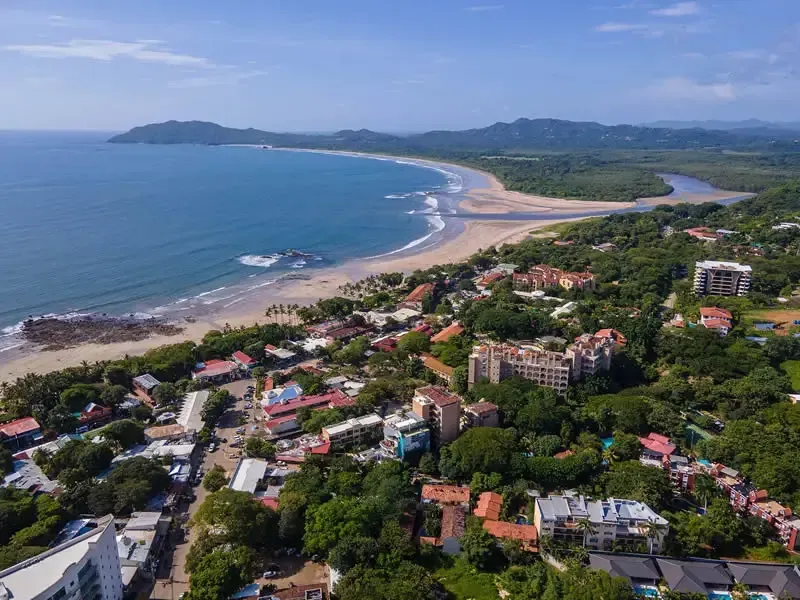
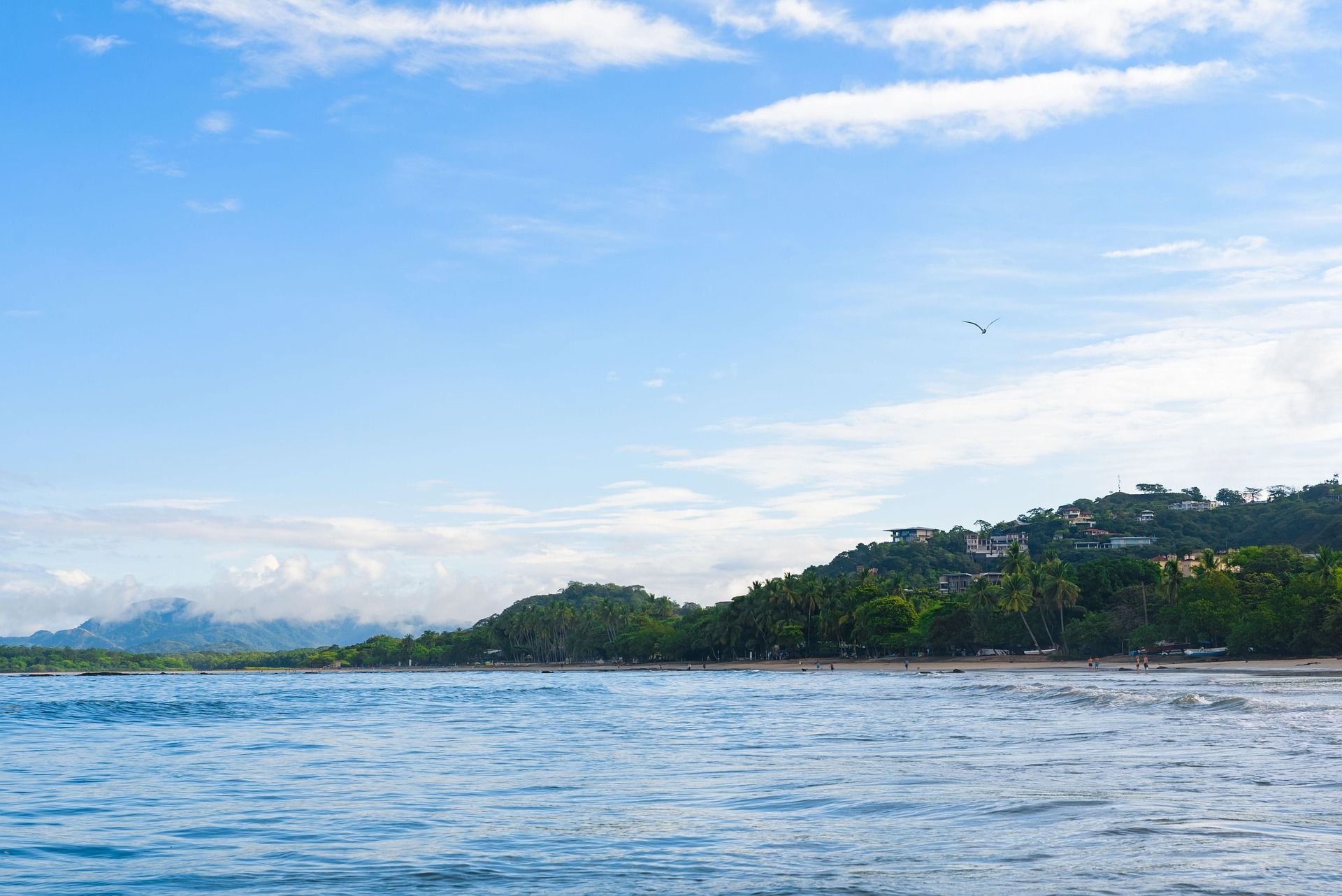
Coastal town beside a sweeping blue bay, with green hills and beach-lined shoreline under clear sky
By Witch Rocks Surf Camp • August 5, 2026
Yes Tamarindo is considered one of the safest beach towns in Costa Rica for tourists.
By Witch Rocks Surf Camp • August 5, 2026
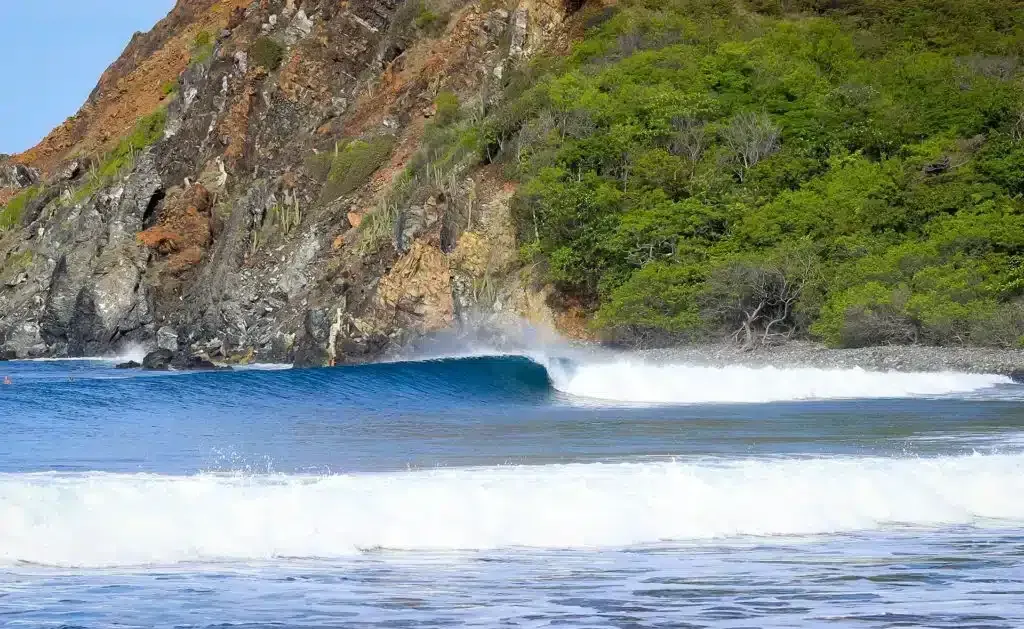
If you’re searching for the best surf spots on the Pacific side of Costa Rica, then you’re in the right place. Picture this – warm sun, crystal-clear water, and world-class waves calling out to surfers from near and far. Costa Rica consistently ranks as one of the best surf destinations in the world.
surf
By Witch Rocks Surf Camp • August 5, 2026
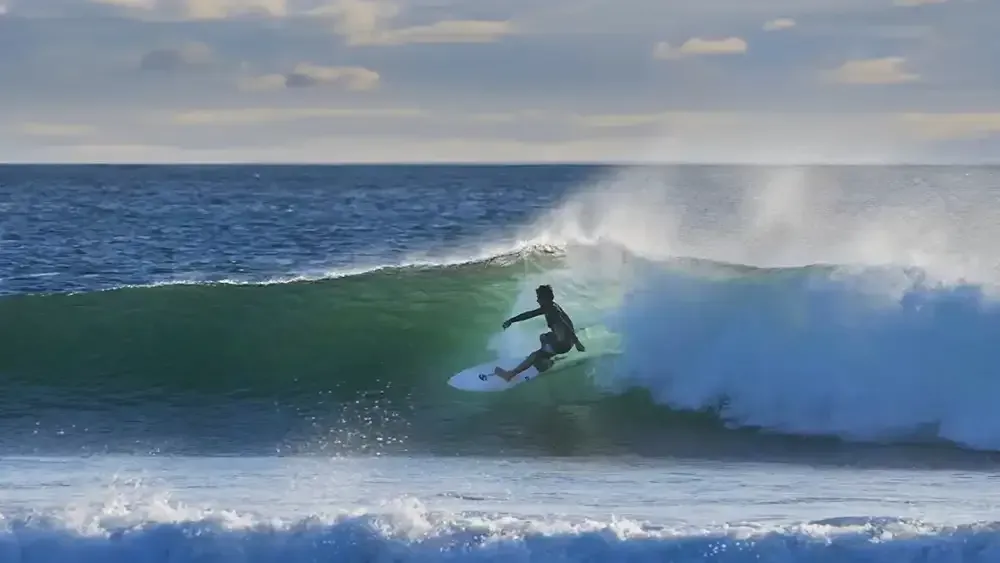
If you are dreaming about a surf trip to Costa Rica you are probably asking yourself one big question. When is the best time to surf. The real answer is that Costa Rica has surf all year.
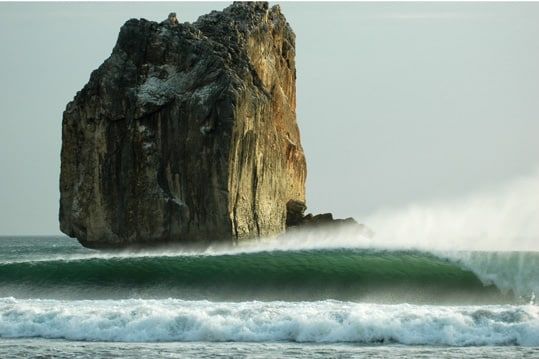
Witch’s Rock
By Joe Walsh • August 5, 2026
Witch’s Rock, the wave from which we derive our namesake, popularized by The Endless Summer II most definitely lives up to the hype. If you’ve seen the movie, you know what this wave can do during a swell. Simply put, it’s a leg burning barrel. Witch’s Rock handles swell very well, it gets big, and it gets hollow. What
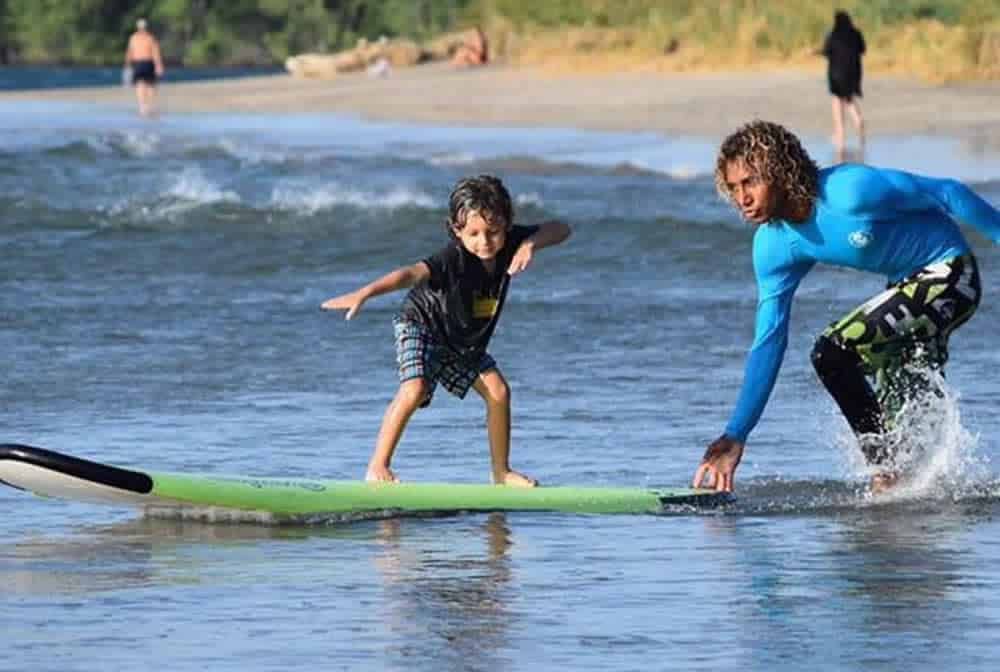
Surfer in blue wetsuit helping a child balance on a board in shallow ocean water
By Witch's Rock - Costa Rica Surf Camp • May 25, 2026
Most kids can start learning to surf between ages 4 and 7, depending on their comfort in the water, balance, and excitement about trying something new.
By Witch's Rock - Costa Rica Surf Camp • March 23, 2026
Trying to choose between Costa Rica and El Salvador for your surf trip? Both offer world-class waves, but the experience is very different depending on your level and travel style. Costa Rica: More versatile, beginner-friendly, and easier to travel El Salvador: High-performance waves, best for experienced surfers When it comes to surf, scenery, and adventure, […]
By Witch's Rock - Costa Rica Surf Camp • March 19, 2026
Planning your first trip to Costa Rica? You’re in for an unforgettable experience filled with warm water, incredible waves, and a laid-back lifestyle known as “Pura Vida.” To help you make the most of your trip, here are essential travel tips every first-time visitor should know. 1. Understand the “Pura Vida” Lifestyle Costa Rica moves […]
By Witch's Rock - Costa Rica Surf Camp • March 19, 2026
If you’ve ever traveled to Costa Rica — or even researched it — you’ve probably heard the phrase “Pura Vida.” But what does it actually mean? More than just a saying, “Pura Vida” is the heartbeat of Costa Rican culture. It reflects a way of life centered around positivity, simplicity, and appreciation. The Literal Meaning […]
By Joe Walsh • March 17, 2026
Planning a surf trip to Costa Rica is exciting — but the difference between a good trip and an unforgettable one comes down to preparation. From fitness and mindset to packing and expectations, arriving ready to surf will help you make the most of every session. 1. Understand What Surfing in Costa Rica Is Really […] The post How to Prepare for a Surf Trip to Costa Rica appeared first on Witch's Rock Surf Camp.
By Witch's Rock - Costa Rica Surf Camp • March 17, 2026
Tamarindo is best known for its surf, but there’s much more to experience beyond the waves. Whether you’re taking a break from surfing or traveling with non-surfers, the area offers a wide range of activities that showcase the natural beauty and culture of Costa Rica. This guide highlights some of the best things to do […]