



HEADING SOUTH TO LIVE LIFE ON OUR OWN TERMS.
joe walsh shares the
Witch's rock surf camp origin story
THE ROAD TO WITCH'S ROCK.
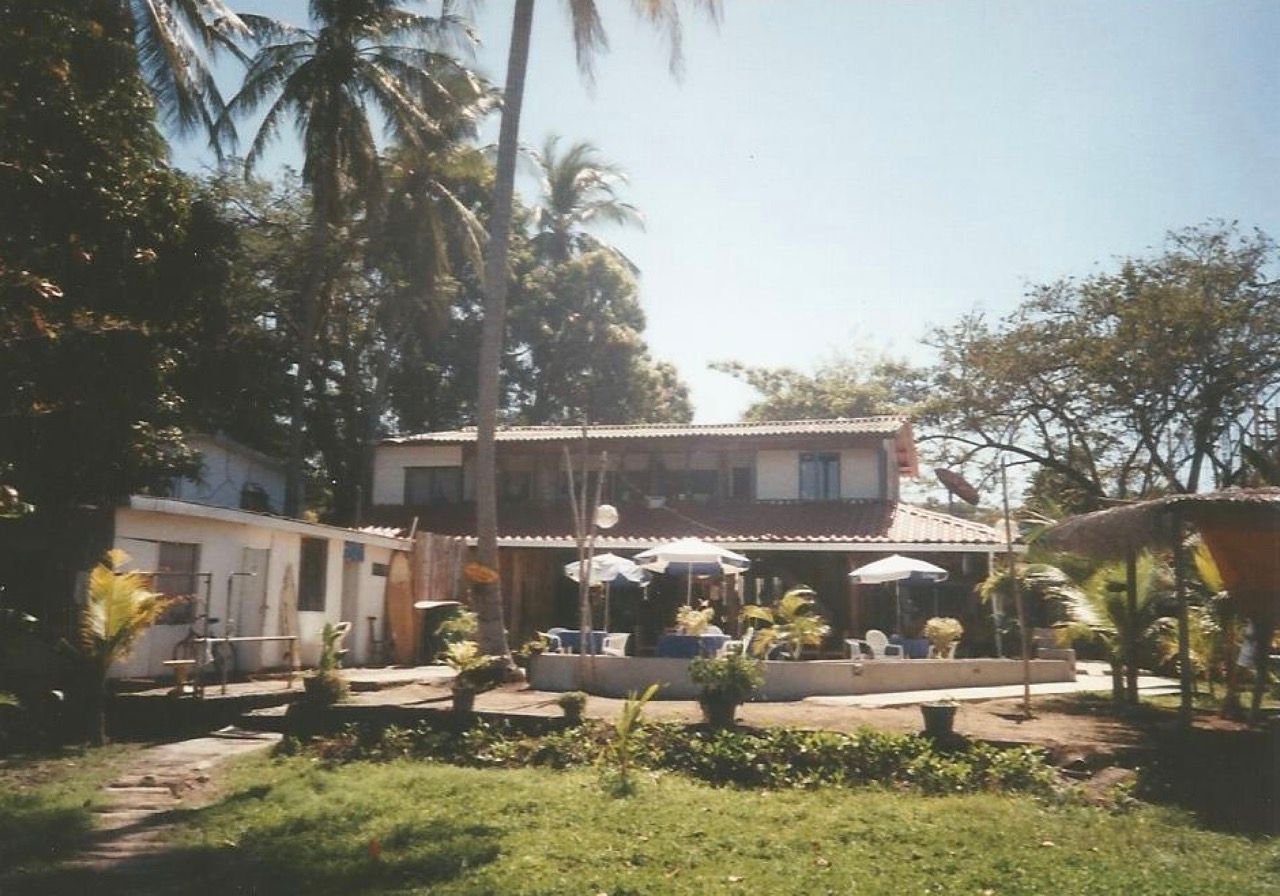
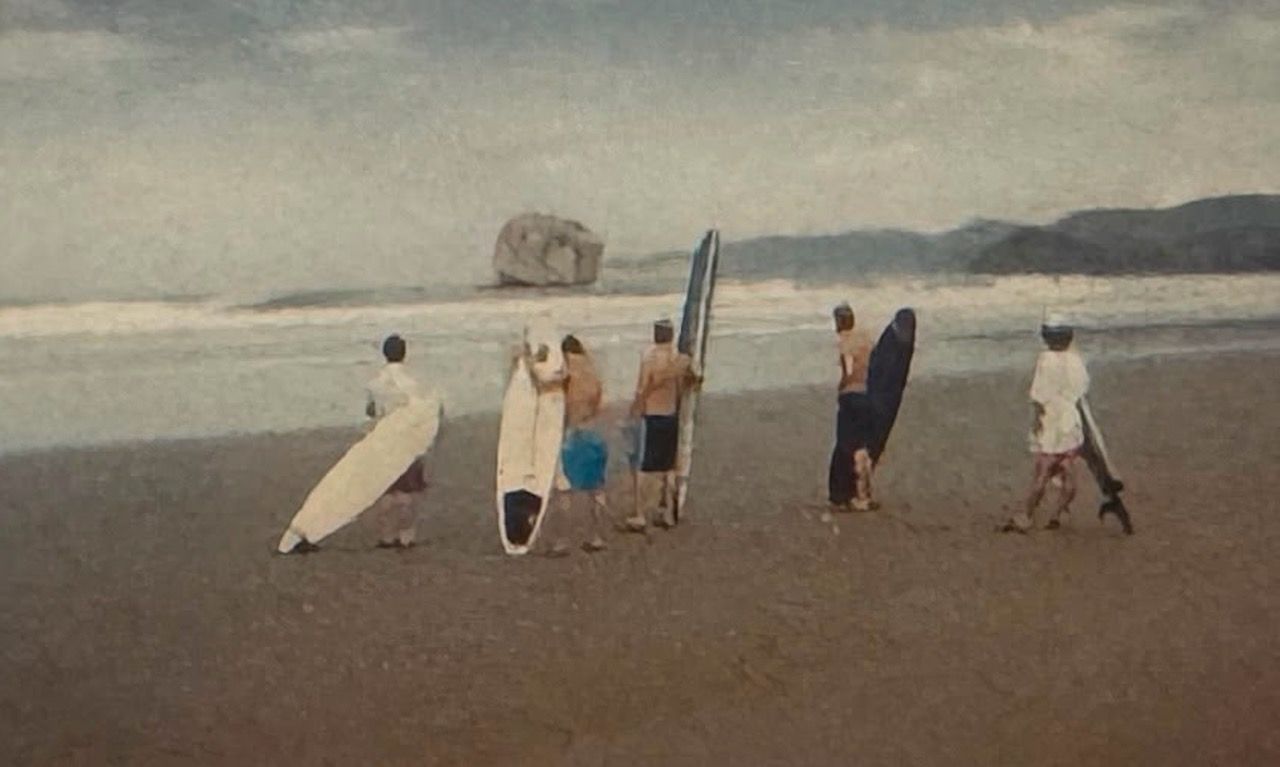
In 1998, Tamarindo was a small, dusty outpost of a beach town with dirt roads and no more than a few hundred people.
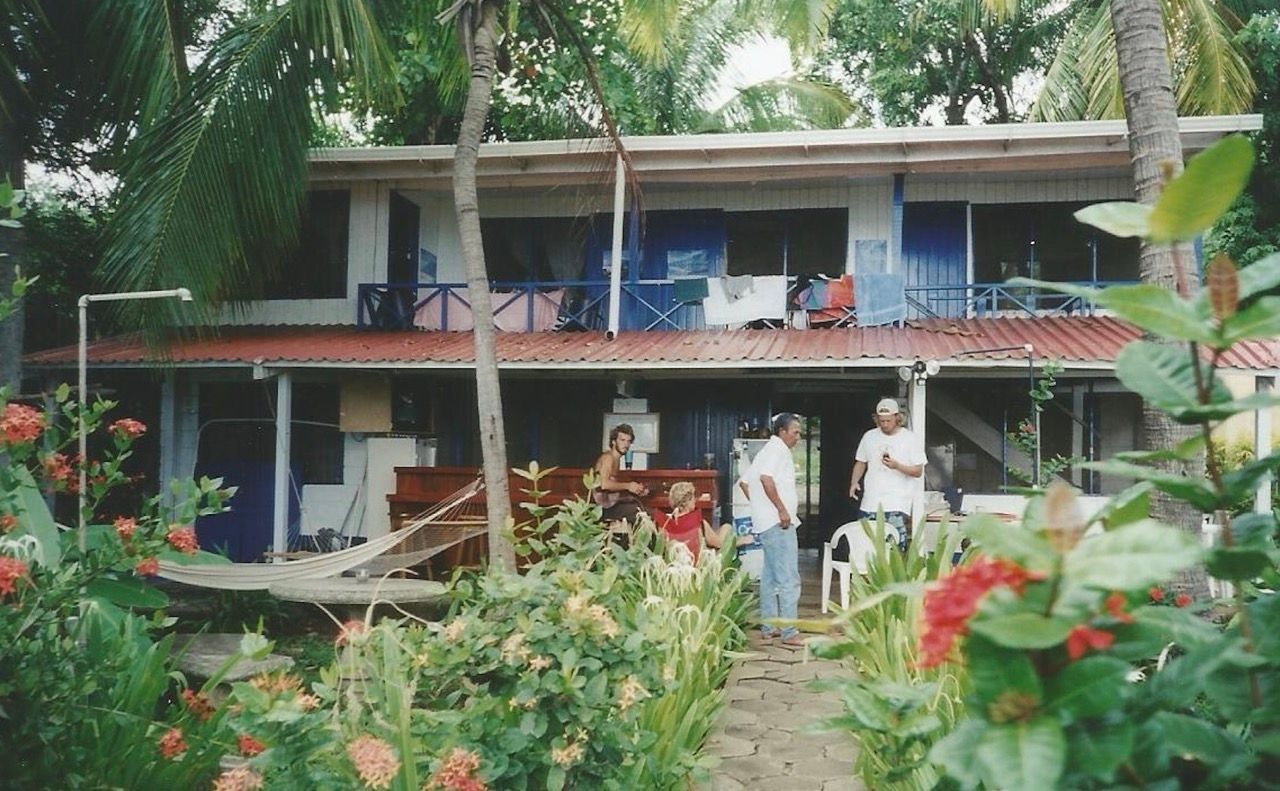
Where our surf camp sits today at the north end of the beach, there was virtually nothing, just an old beach house and a few scattered structures built back in the '60s and '70s, when the only way into town was on horseback from Villa Real. Looking down the sand, all you saw were dense, dark tree lines running north toward the river mouth and south past the Diriá and toward "the circle." That circle was the entire center of town back then, with a handful of local businesses and a few boats moored in the bay out front, reminding you that Tamarindo was a quiet fishing village long before anything else.
No cell phones. Dial-up internet was brand new, and hardly anyone was using email yet. My entire navigation system was a thrashed copy of a Lonely Planet guide stuffed into an old-school external frame backpack. I was literally backpacking through the tropics.
I was twenty years old, exploring Costa Rica with my buddy Andy.
I only rode a longboard back then, which was a total nightmare on local public buses. Drivers would look at my board bag, shake their heads, and leave me standing on the side of the road. We got good at hitching rides, strapping our boards to strangers’ roof racks, and throwing them a few bucks for gas.
We had next to no money, just minimum wage cash saved up from working back in San Diego.
I lost fifteen pounds on that trip because we hiked everywhere with all of our gear. The days were spent walking between Tamarindo, Playa Grande, and Langosta, catching rides down to Playa Negra, and trekking up and down the coast searching for empty peaks. It was hot, bloody, dirty, and dusty. The daily routine was simple: jump in the ocean to clean off, catch a session, and crash in cheap, eight-dollar-a-night rooms at Cabinas Dolly.
Ever since I was sixteen and saw The Endless Summer II in a movie theater, I’d been dreaming of seeing Witch’s Rock with my own eyes.
When I hiked in and was finally brought face to face with that wave breaking at the end of the beach, it looked exactly like the movie. It was the most rewarding feeling I’d ever experienced. Standing on that sand, a simple truth set in: I wasn’t made for the cold. Surfing won. The path forward had to be warm, tropical, and built around the ocean.
Two years later, in 2000, I graduated from UC San Diego with an art degree.
College had been measured by the tides, weekend parties, and keeping my original Volkswagen camper van running. That van was the first vehicle I ever bought, and it was my ultimate ticket to freedom. I had rebuilt the engine myself and used it to chase waves in Mexico or live out of all winter while snowboarding across the Western United States. Losing it in an accident felt like losing my entire escape plan.
While my classmates were negotiating corporate internships and building career plans, those adult responsibilities still felt a world away. Graduation arrived, and the job market for an art degree was virtually nonexistent.
I had settled for a cheap, inferior replacement van, a total shitbox that lacked the soul of my first one and constantly broke down. When it inevitably died on the way to a job interview for an action sports video company, the setback forced a moment of clarity.
Missing that interview made the potential future painfully clear: waking up early every day, driving a forty-five-minute commute to an inland industrial park, and sitting behind a desk while the waves were firing. The whole idea was revolting.
As I sat under the harsh fluorescent lights of a San Diego car dealership, test-driving a Passat station wagon just because a surfboard could slide into the back, the absurdity hit me. Pen in hand, the plan was to dump every cent of my hard-earned savings into a commuter car just to get to a job that wasn't even wanted.
Right then, sitting in that car, something snapped.
The memory of sunshine, warm waves, and the pure freedom of surfing in Tamarindo and at Witch’s Rock came rushing back. I walked out of the dealership with my savings and decided right on the spot I would use it to start a surf camp in Costa Rica.
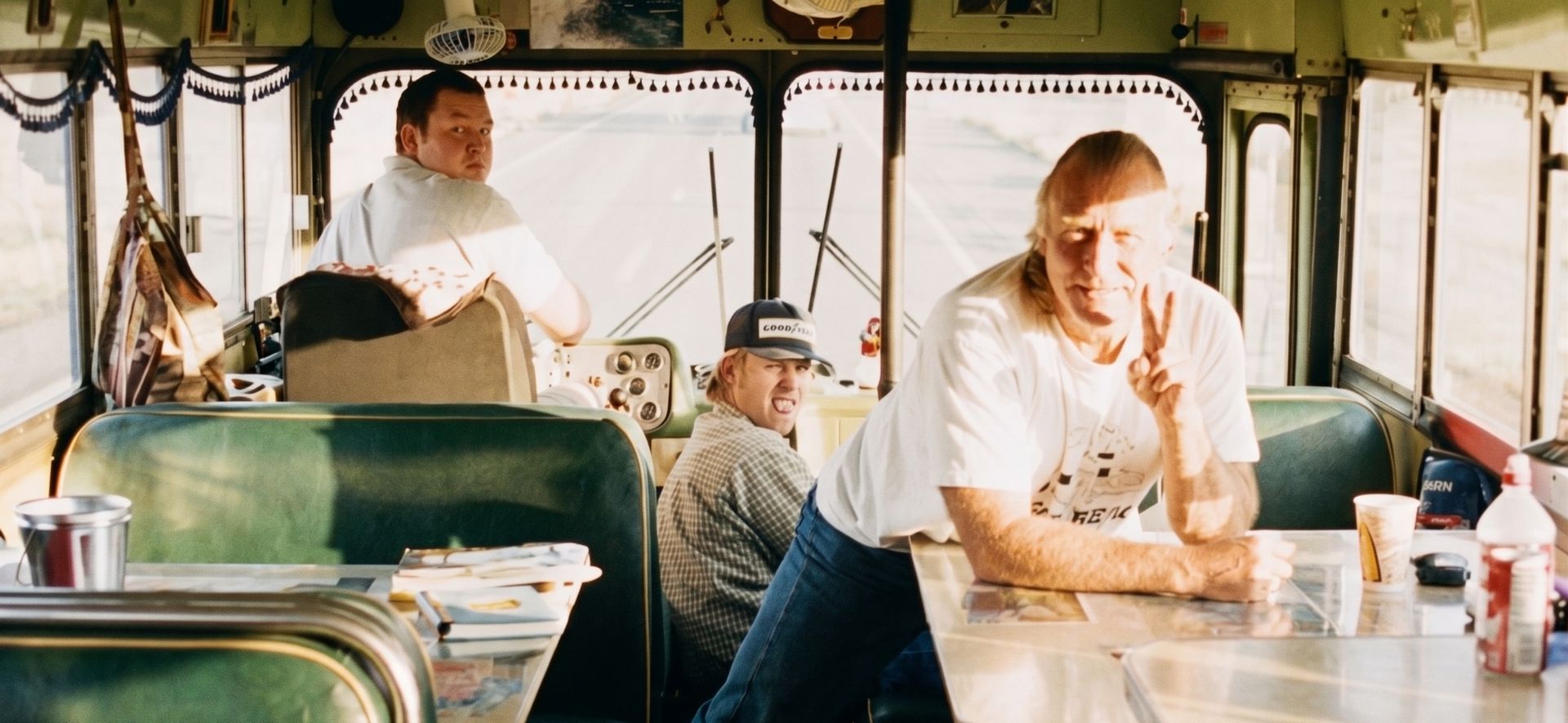
I bought an old, retired school bus, ripped out the seats, and converted it into the ultimate surf camper. It was basic, but it was awesome. Having a home on wheels meant that no matter what I would always have a place to live right on the sand.
I convinced nine other people to join me on that bus trip, including my dad and my childhood friend David, who became my early partners, and my girlfriend Holly, who became my wife five years later and the mother of my kids. Nobody builds something great completely alone, but someone has to spark the fire.
At twenty three years old, with the crew assembled and the bus packed to the ceiling, we headed south.
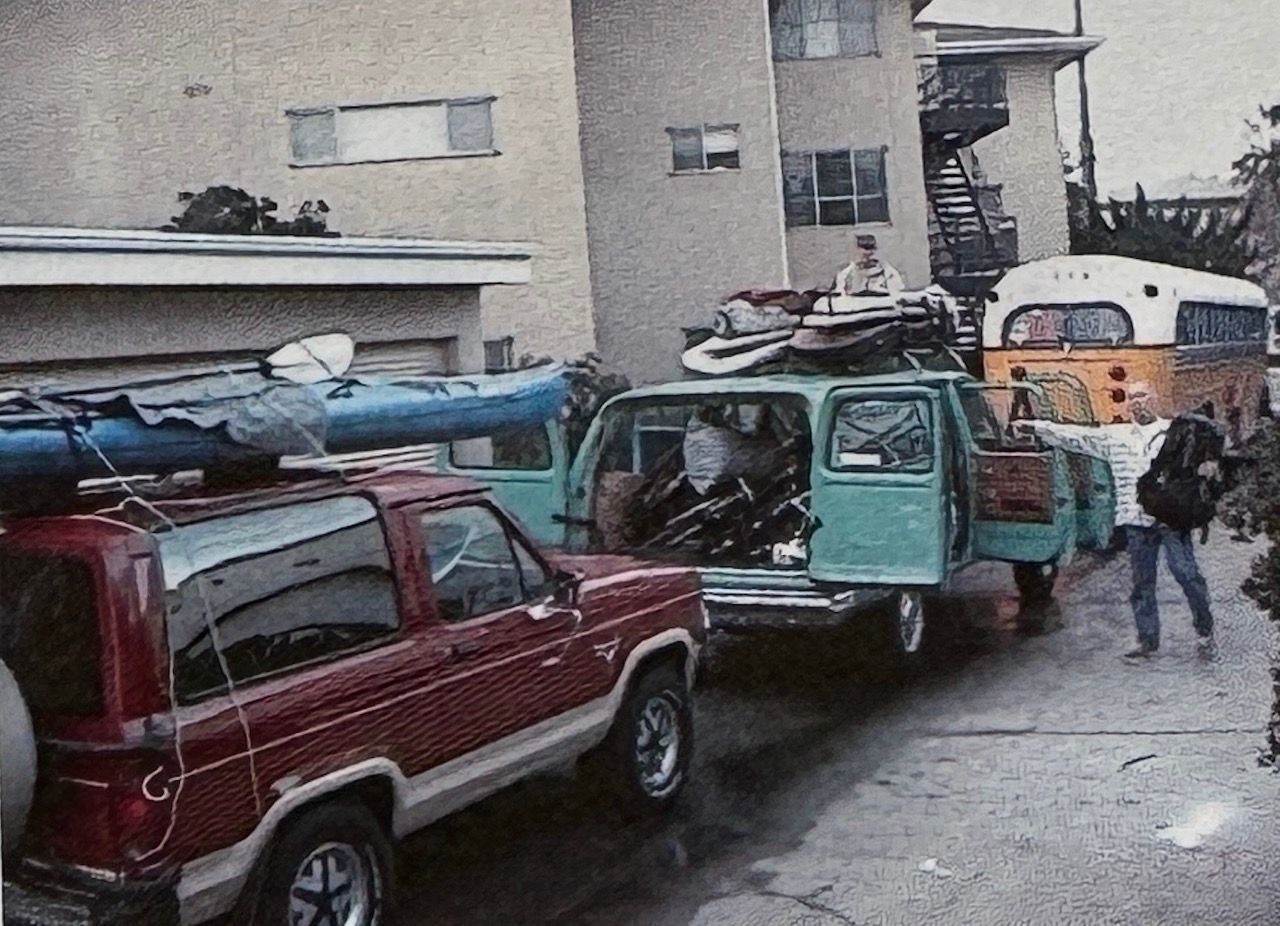
Driving an old school bus down through Central America was a chaotic, high stakes trial by fire. We hadn’t brought any vehicle titles or official paperwork showing we even owned the vehicles. The moment we reached the very first border crossing, I realized this was going to be a true pirate adventure.
Every single border checkpoint became an exercise in raw negotiation and creative bribery just to keep the wheels moving. Without official paperwork matching our names, talking our way across international lines was an art form learned the hard way under the blazing sun. Crossing a single border could take hours of intense back and forth, but somehow we made it through every time.
We spent weeks driving down the Pacific coast of Mexico, surfing legendary spots like Pascuales, Rio Nexpa, and Puerto Escondido. You could easily spend six months or six years or a lifetime traveling Mexico alone. But as much as I loved it, I was on a mission to get to Costa Rica, and I was the only diehard surfer in the group. I vividly remember pulling away from Puerto Escondido when the waves were absolutely firing, simply because everyone else was ready to leave town. I still feel that pain today as I stared out of the rear window of the bus as we drove off.
The road down only got wilder. In Guatemala, we completely lost our brakes while descending a steep, winding volcanic mountain pass. I had to rely on engine braking, the emergency brake, and pure prayer to keep from careening off the cliffside before finally coming to a stop in the town of Atitlan. It was straight out of a movie.
But then the movie reached a whole new level of intensity at the El Salvador border. We were crossing atop a narrow bridge with a sheer drop over the edge that meant total death if you fell. Right there at the border was a full military checkpoint complete with sandbags, barbed wire, heavy machine guns, and guys in full fatigues. It was ultra sketchy.
They pulled us off the bus and started searching everything. I had explicitly warned my dad to get rid of the weed he found in Guatemala and not to cross international lines with it, but did he listen? As the soldiers walked the drug dogs past us, my dad somehow managed to slip behind the main group. Being the oldest guy there, the guards probably never suspected him of carrying anything. It was pretty freaking amazing that we got past those dogs and machine guns. It should have never happened, but of course it did.
Then came Honduras, where a semi truck broadsided us on the highway. The local police blamed us for the accident, confiscated our passports, and flat out refused to let us leave town, turning a roadside accident into a tense diplomatic hostage situation that took every ounce of patience and grit we had left to resolve.
It was an unforgettable adventure. I learned Spanish fast because survival depended on it. The trip was liberating, life altering, chaotic, and dangerous. I realize now that I have been writing this story from the very start.
By the time we crossed into Costa Rica, I was past the point of no return.
Showing up didn't mean instant success. It meant hitting a brick wall of raw reality. I knew nothing about running a business, living in a foreign country, or operating boats. I brought my gringo surfer friends down, rubbed the local community the wrong way, and broke every rule in the book out of pure ignorance.
It wasn't easy. It was brutally hard.
There were weeks and months in those early years where the stress, the conflicts, and the sheer effort of keeping things afloat made me want to pack my bags and walk away. I had to learn everything the hard way by doing it completely wrong first, taking all of the heat for my mistakes, and forcing myself to fix it.
When we first arrived, we set up shop in Playas del Coco, and my entire vision was taking people on boat trips to Witch’s Rock and Ollie’s Point. I thought that was what a surf business was supposed to be. Giving surf lessons in Tamarindo was just something I did to make extra cash, but the boat trips to Witch’s Rock were what I had always intended to do.
But I quickly hit a wall. Advanced surfers on boat trips were often elitist, looking for bro deals, and pissed off if the waves were not world class. Plus, running multiple boats full of surfers out to a remote peak just crowded the break and burned out the locals. There was no long term future in it.
Then I looked at what was happening right out front on the beach break in Tamarindo.
I was giving surf lessons to people who had never touched a surfboard in their lives, and they were losing their minds with pure joy, even when the waves weren’t firing.
That was the turning point.
I had surfed on the UCSD surf team, put the brand stickers on my board and van, and built my identity around being a legit surfer. But watching a total beginner stand up for the first time, I realized their stoke was completely pure, and honestly, they were more stoked than I was.
That realization took the ego right out of the sport for me.
Surfing didn’t belong to the elitists or the locals demanding respect. It belonged to anyone who wanted to feel that feeling.
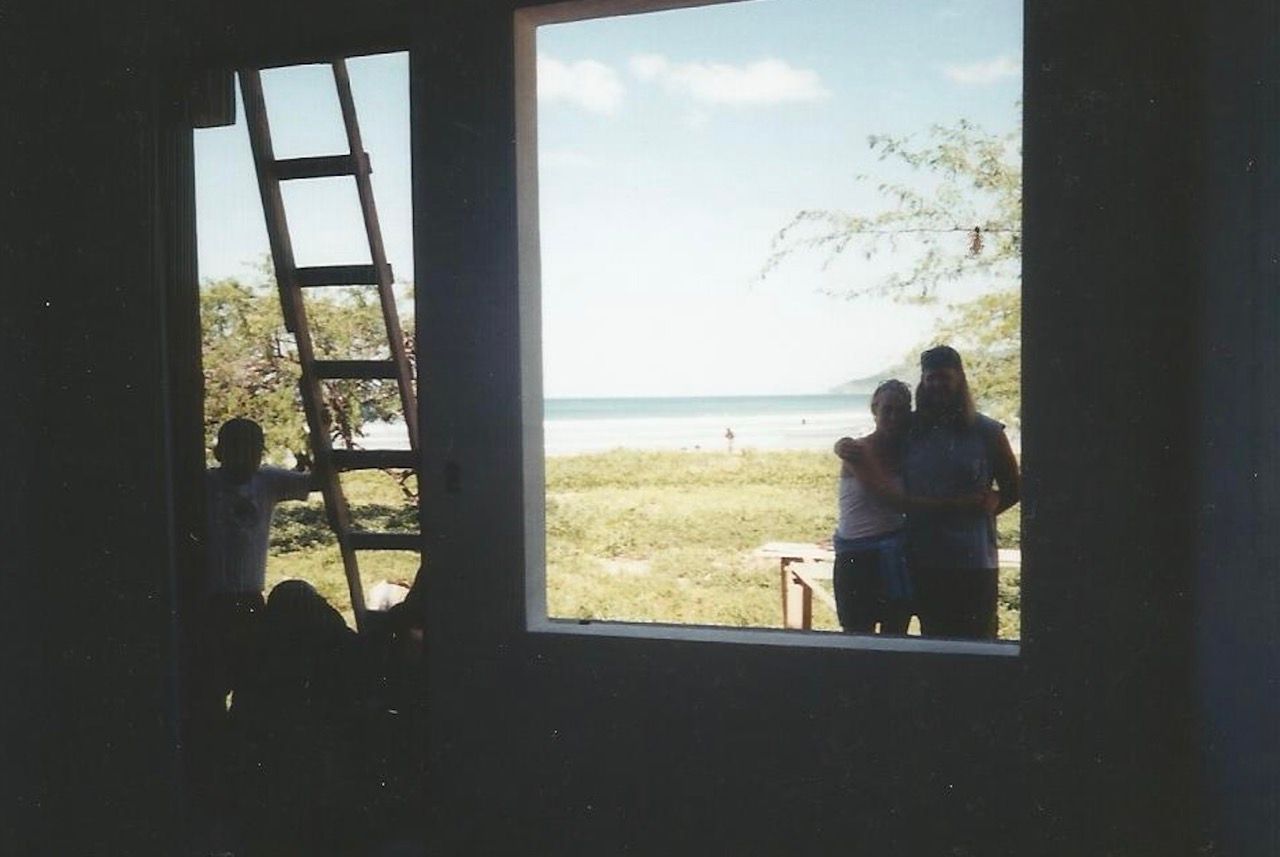
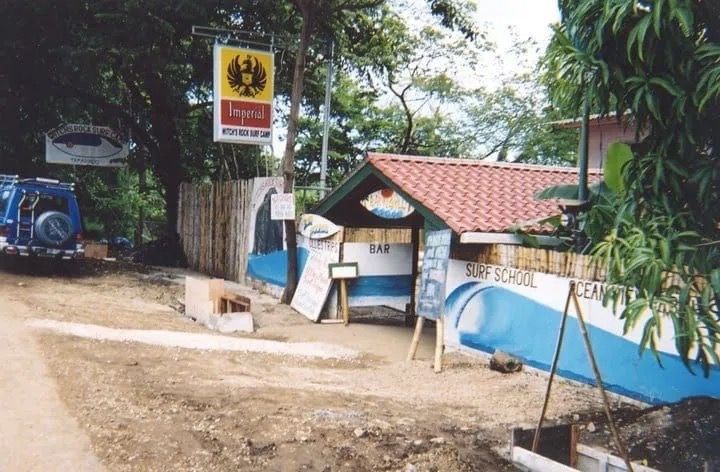
I pivoted the entire business model and opened Witch’s Rock Surf Camp in Tamarindo in October 2001. Instead of focusing only on boat trips for advanced surfers, we built a home base on the sand where beginners and intermediates could learn and improve without judgment. We never abandoned our advanced surfers or stopped running trips to legendary breaks, but we opened our doors to everyone else. Tamarindo was the ideal spot because it had waves for every stage of the journey.
By the time we crossed into Costa Rica, I was past the point of no return.
Showing up didn't mean instant success. It meant hitting a brick wall of raw reality. I knew nothing about running a business, living in a foreign country, or operating boats. I brought my gringo surfer friends down, rubbed the local community the wrong way, and broke every rule in the book out of pure ignorance.
It wasn't easy. It was brutally hard.
There were weeks and months in those early years where the stress, the conflicts, and the sheer effort of keeping things afloat made me want to pack my bags and walk away. I had to learn everything the hard way by doing it completely wrong first, taking all of the heat for my mistakes, and forcing myself to fix it.
When we first arrived, we set up shop in Playas del Coco, and my entire vision was taking people on boat trips to Witch’s Rock and Ollie’s Point. I thought that was what a surf business was supposed to be. Giving surf lessons in Tamarindo was just something I did to make extra cash, but the boat trips to Witch’s Rock were what I had always intended to do.
But I quickly hit a wall. Advanced surfers on boat trips were often elitist, looking for bro deals, and pissed off if the waves were not world class. Plus, running multiple boats full of surfers out to a remote peak just crowded the break and burned out the locals. There was no long term future in it.
Then I looked at what was happening right out front on the beach break in Tamarindo.
I was giving surf lessons to people who had never touched a surfboard in their lives, and they were losing their minds with pure joy, even when the waves weren’t firing.
That was the turning point.
I had surfed on the UCSD surf team, put the brand stickers on my board and van, and built my identity around being a legit surfer. But watching a total beginner stand up for the first time, I realized their stoke was completely pure, and honestly, they were more stoked than I was.
That realization took the ego right out of the sport for me.
Surfing didn’t belong to the elitists or the locals demanding respect. It belonged to anyone who wanted to feel that feeling.
I pivoted the entire business model and opened Witch’s Rock Surf Camp in Tamarindo in October 2001. Instead of focusing only on boat trips for advanced surfers, we built a home base on the sand where beginners and intermediates could learn and improve without judgment. We never abandoned our advanced surfers or stopped running trips to legendary breaks, but we opened our doors to everyone else. Tamarindo was the ideal spot because it had waves for every stage of the journey.
Two years later, in 2000, I graduated from UC San Diego with an art degree.
College had been measured by the tides, weekend parties, and keeping my original Volkswagen camper van running. That van was the first vehicle I ever bought, and it was my ultimate ticket to freedom. I had rebuilt the engine myself and used it to chase waves in Mexico or live out of all winter while snowboarding across the Western United States. Losing it in an accident felt like losing my entire escape plan.
While my classmates were negotiating corporate internships and building career plans, those adult responsibilities still felt a world away. Graduation arrived, and the job market for an art degree was virtually nonexistent.
I had settled for a cheap, inferior replacement van, a total shitbox that lacked the soul of my first one and constantly broke down. When it inevitably died on the way to a job interview for an action sports video company, the setback forced a moment of clarity.