Yes, It’s Safe to Travel to Costa Rica
When planning a vacation, especially with the family, it’s natural to be concerned about safety. Is the hotel in a good area? Is there a lifeguard at the pool? When planning a vacation abroad, these feelings can become even more unsettling. Is there political unrest in the area? Are tourists targeted for crime?

Of course, no country can guarantee complete safety at all times, not even the country one calls home. But with a little research, and a lot of common sense, it is possible to set off on an international adventure with the people you love – and the peace of mind that you’ll all return just has happy and healthy as you left.
If you and your crew are looking to enjoy beautiful beaches, perfect surf, lush rainforests, towering mountain ranges, gushing waterfalls, rich biodiversity, inspiring conservation efforts, proud history, lovely locals and colorful culture, Costa Rica is calling! Read on for the reasons you should answer…
Costa Rica is a small, Central American country considered one of the happiest places on earth. Politically stable, peaceful and democratic – with a well-developed tourist industry of about 2 million annual visitors – Costa Rica is nicknamed the “Switzerland of Central America.” Far from terror attacks and turbulent world politics, Costa Rica boasts world-class doctors and hospitals, easy access to healthcare, and yes, the tap water is safe to drink.
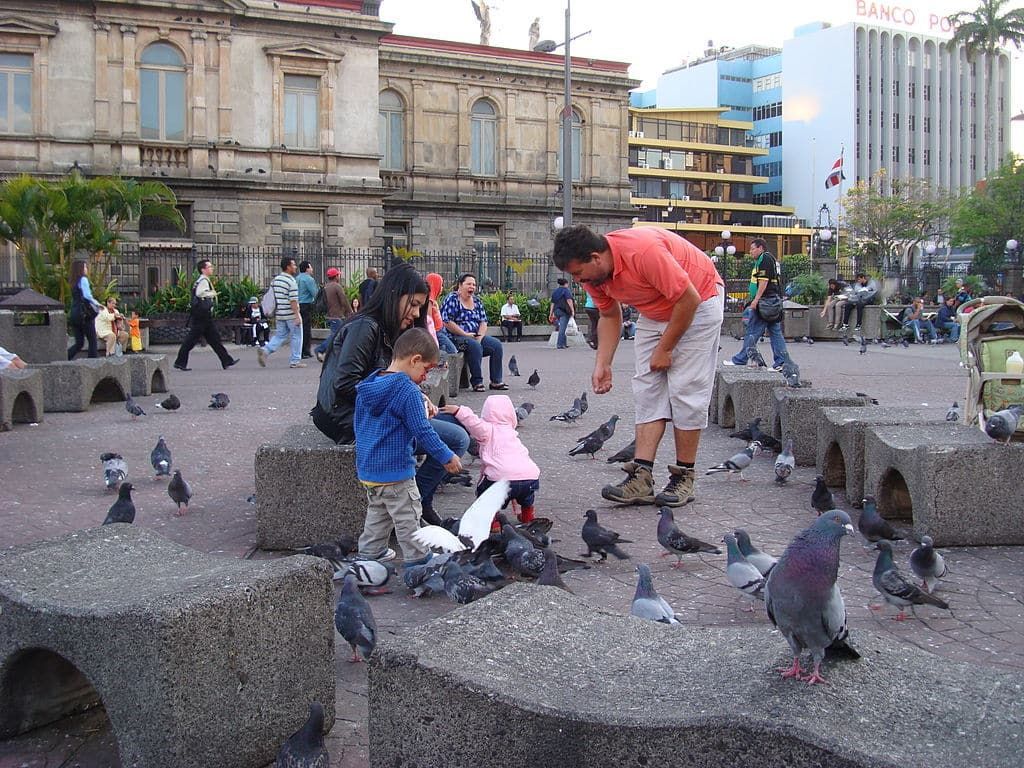
DOCUMENTATION
Costa Rica is very visitor-friendly. Traveling from the United States simply requires a passport, valid for 30 days after your arrival, and a pre-paid ticket home.
PERSONAL SAFETY
This really boils down to common sense, and should be practiced no matter where you are:
• Exit the airport quickly, with luggage in tow.
• Don’t carry large amounts of cash or wear valuable jewelry.
• Use your hotel room safe.
• Don’t use the ATM at night.
• Don’t walk the beach, alone, at night.
• Carry a copy of your passport rather than the original.
• Only use licensed taxis: red or orange with numbered yellow triangles painted on the side.
• Use caution driving at night or hire a professional.
• Use only properly licensed tour companies.
• Email yourself a scanned copy of all important receipts, confirmations, and travel documents.
• Avoid logging into private accounts or viewing confidential information when you are tapped into an unsecured wi-fi signal.
• Do not leave possessions unattended and/or in unlocked vehicles.
• Release any international travel spending bans on your credit card.
• Do not rely on Travelers’ Checks.
• Check and double-check your currency conversion for fraud.
• Split your cash and credit cards in case of theft.
• Beware of “good Samaritan” scams, especially in busy tourist destinations.
SECURITY
Violent crime is quite rare in Costa Rica. The biggest danger is petty theft in highly populated areas, typically, around Christmas. In fact, the country is so safe and stable, they abolished their army nearly 70 years ago. Regardless, as an added precaution, you can enroll in the State Department’s Smart Traveler Enrollment Program, which provides security updates and allows the nearest U.S. embassy or consulate to contact you in case of emergency.
HEALTH
The Centers for Disease Control and Prevention recommends that your routine vaccinations are up to date, (which is always a good idea), before leaving for Costa Rica. As in the United States, dialing 911 in an emergency will connect you with an English-speaking operator who can provide assistance. Should you require medical care, expect to pay cash upfront for services.
WATER SAFETY
If you’re not going to Costa Rica to surf, (which would be tragic), you still need to be aware of the water conditions. Both the Caribbean and Pacific coasts are subject to dangerous currents, riptide and undertow and should be approached with caution. Lifeguards aren’t typically present and dangerous beaches usually aren’t marked; although the surf break that we use does have lifeguards and a program funded by Witch’s Rock Surf Camp. Just as you would in any body of water, remain alert.
LANGUAGE
While Spanish is the native language of Costa Rica, most locals working in the tourism industry know English. If, however, you find yourself off the beaten path, knowing the following phrases may prove beneficial:
• ¿Cómo llego a ___? (How do I get to…?)
• ¿Dónde está el baño? (Where is the bathroom?)
• ¿Dónde está el hotel ___? (Where is the ___ hotel?)
• ¿Dónde está el restaurante ___? (Where is the ___ restaurant?)
• ¿A qué hora es el ___? (At what time is the ___?)
• ¿Cuánto tiempo se tarda en ___? (How long does it take to ___?)
• Soy alérgico a ___ (I am allergic to ___)
• No puedo tener ___ (I cannot have ___)
• No puedo comer ___ (I cannot eat ___)
• ¿Tiene esto ___? (Does this have ___?)
• Me siento mal (I feel sick)

Costa Rica is one of the cleanest, greenest countries on Earth. It came in 34th on the Global Peace Index, (the United States came in 114th), and was just named the best place in the world to retire by International Living. If you’re looking for a tropical, family-friendly, safe destination for travel, Costa Rica awaits you! But do beware, may visitors have become addicted to the Pura Vida lifestyle, fortunately for which there is no cure.
The post Yes, It’s Safe to Travel to Costa Rica appeared first on Witch's Rock Surf Camp.